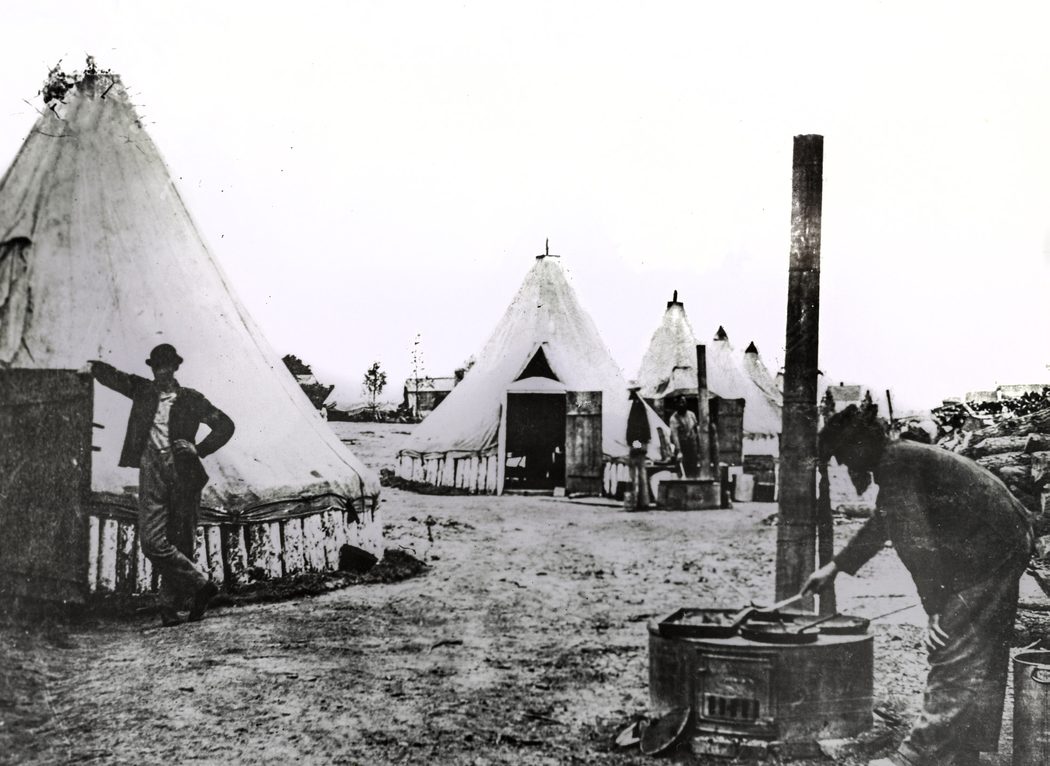
HOPPIN JOHN AND LIMPIN SUSAN
is a single pot concoction consisting of field peas, bacon, and rice. It is usually served with greens and cornbread. Consuming the meal as described was associated with improving one’s fortunes during the coming year. The rice, beans, and cornbread formed a complete high protein meal that was both inexpensive and filling.
There is considerable debate on the name “Hoppin John” which may be an idiom for inviting friends to dinner, as in “Hop in John.” It could be an anglicized appropriation of an African term for the type of peas that were used. Such things can never really be fully known as the origins are not recorded. The first known recipe for it was published in 1847 in The Carolina Housewife: House and Home by Sarah Rutledge (p. 69) is as follows:
One pound of bacon One pint of red peas One pint of rice.
First, put on the peas and when half boiled add the bacon; when the peas are well boiled throw in the rice which must be first washed and graveled. When the rice has been boiling for half an hour, take the pot off the fire and put it on coals to steam, as in boiling rice alone. Put a quart of water on the peas at first, and if it boils away too much, add a little more hot water. Season with salt and pepper and if liked, a sprig of green mint. In serving up, put the rice and peas first on the dish and the bacon on top.
A modern variation calls for more widely available black-eyed peas in place of field peas or crowder peas and
By Craig L. Barry
traditional New Year’s dinner in the South during the mid-19th century would not be complete without serving the famous dish known as Hoppin John. It
Hoppin John
sometimes features ham hocks in place of bacon or salt pork. However, the traditional version specifies red peas, which are alternately known as crowder peas, cow peas or field peas. The black-eyed peas are a close cousin, but if you live in the South, stick with the original red peas. The rice, being originally a low country Carolina recipe, would be a long-grained white rice.
Limpin Susan is not Hoppin John’s wife, as one modern cookbook suggested. It is a nearly identical dish that substitutes okra in place of red peas and often includes bell
pepper and white onion. Okra seems to have traveled from West Africa to the Caribbean islands along with the slave trade and was firmly entrenched in American gardens by the 18th century. In the 1780s Thomas Jefferson noted that okra was a common garden plant; other references to okra can be found across the Chesapeake region as well as the Carolina low country. An alternate name for the dish is Okra Pilaf. In some parts of the South, it is a Christmas tradition, but it is not tied to any certain holiday in the same way Hoppin John associates with New Year’s Day. Here is a traditional recipe for Limpin Susan:
Recipe for Limping Susan
1/2 pound okra, tops trimmed and cut into 1/2 inch thick rounds 1 cup long-grain rice 1 medium onion diced 1 green bell pepper diced 2 cups vegetable broth One teaspoon hot pepper sauce
First, sauté the bacon until crisp, retaining the grease. Stir in the diced okra, cook together for about 1-2 minutes. Stir in the rice, vegetables, stock, hot sauce, salt, and pepper to taste. Heat to boiling, reduce heat to simmer, cover and cook over medium-low heat until rice is tender, 20 to 25 minutes. Cook uncovered while stirring occasionally, until rice is fairly dry.
Craig L. Barrywasbornin Charlottesville, Va. Heholdshis BA and Mastersdegreesfrom UNC (Charlotte). CraigservedThe Watchdog Civil War Quarterlyas Associate Editorand Editorfrom 2003– 2017. The Watchdogpublishedbooksandcolumnson 19th-centurymaterial. Heistheauthorofseveral booksincludingThe Civil War Musket: A Handbookfor Historical Accuracy(2006, 2011), The Unfinished Fight: Essayson Confederate Material CultureVol. I and II (2012, 2013). Hehasalsopublishedfourbooksinthe Supplierstothe Confederacyserieson English Arms & Accoutrements, Quartermasterstoresandother Europeanimports.