out Shelby Foote’s trilogy.1
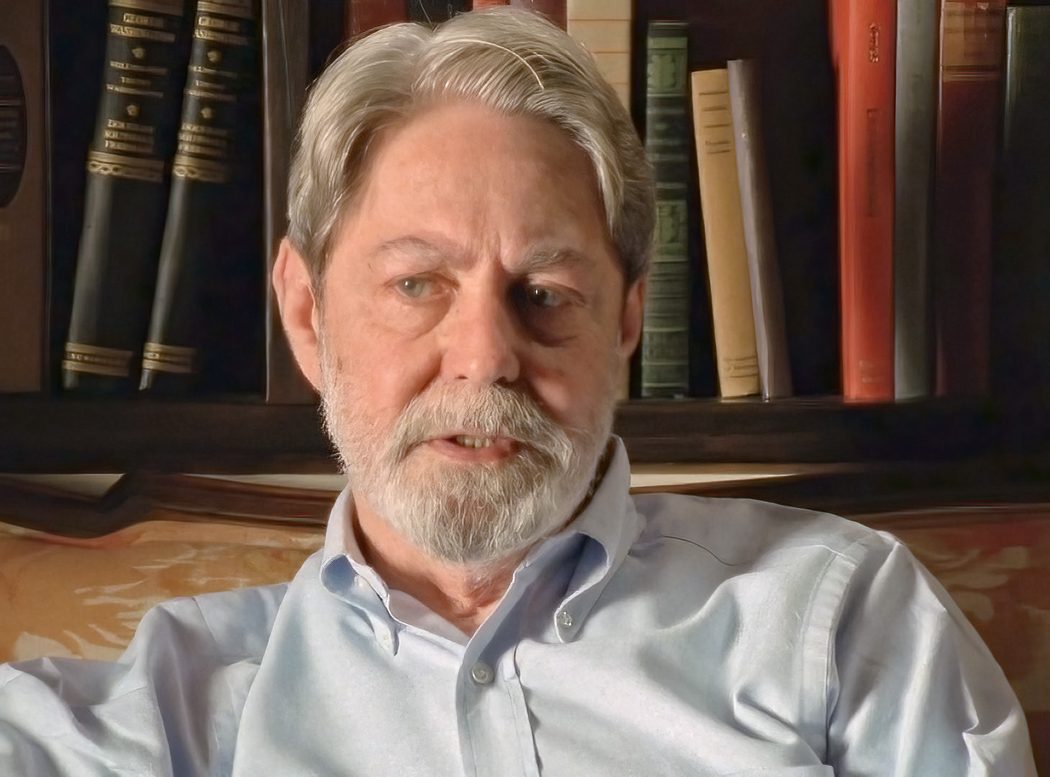
Born in Greenville, Mississippi, in 1916, Foote attended UNC, where he began writing short stories for the campus literary magazine. After army service in World War Two, he worked as reporter for The Delta Democrat Times, and sold his first short story to The Saturday Evening Post in 1946. Then quickly came three novels, 1949-51, all set in the South.2
Shiloh, his fourth, appeared in 1952, and follows the great battle in the words of three Yankees and three Rebels, April 5-April 8.3 In 1954 he started working on a military narrative of the war that Random House contracted for as one
By Stephen Davis
Shelby Foote’s The Civil War Volume One: Fort Sumter to Perryville
ne of the pleasures of senescence is the availability of time to re-read literary classics. In that anticipation of joyfulness—or maybe just satisfaction—I pulled volume.4 Foote thought that the work would take two years; it ended up taking twenty. “I believed very much that the American Civil War was an experience central to our lives, to all Americans, but especially to Southerners,” he declared, and so he gave almost a quarter of his life to its literary telling. Foote’s very style of composition reflected his commitment to the opus: at his Memphis home, with an old-style pen dipped in ink, the author wrote 500 to 600 words a day.5 (No wonder it took two decades!)
With this labor in mind, I committed to a reading schedule similar to the one I used back in 1976, when I read Volume Three: ten to twenty pages a day, reading almost aloud to savor the Mississippian’s mellifluous monologue. (“I was probably greatly influenced by my fondness for dramatic monologue,” he once said.6) What began as something of a chore, though, became a diurnal delight.
Foote admits that he was neither a military expert nor a professional historian (he doesn’t use footnotes). “I am a novelist,” he declares, adding that both the novelist and historian are seeking the same thing: “the truth.” “They both want to tell us how it was,” he continues, “to re-create it, by their separate methods, and make it live again in the world around them” (Volume One, 815).
Foote’s strength as a writer means that in reading The Civil War we are living as much in the author’s world as in his subjects’. More than once are we reminded that this is the composition of a Southerner. (“I am a Mississippian,” he forthrightly affirms [816].) He occasionally dubs the struggle, for instance, the “Second American Revolution,” as did Confederates (65, 662). And while he hails the fighting prowess of “the American volunteer, whichever side he was on in this war” (350), Foote bestows a special respect to Confederate soldiers, the “famished tatterdemalions” (618) who wrested victory so many times from their overnumerous