hese words of Jefferson Davis were written in The Rise and Fall of the Confederate Government, published in 1881. The following year Col.
George Washington Rains1 said something very
“The appalling contemplation of the inauguration of a great war, without powder or a navy to secure its importation from abroad, was soon relieved.” – Jefferson Davis similar, notable in his use of the same adjective, “appalling.”
“The entire supply of gunpowder in the Confederacy at the beginning of the conflict, was scarcely sufficient for one month of active operations,” Rains said, “and not a pound was being made throughout its limits. To enter upon a great war without a supply of this essential material, and without effective means of procuring it from abroad, or manufacturing it at home, was appalling.”
Rains uttered these frank words on April 26, 1882, in a speech to the Confederate Survivors’ Association in
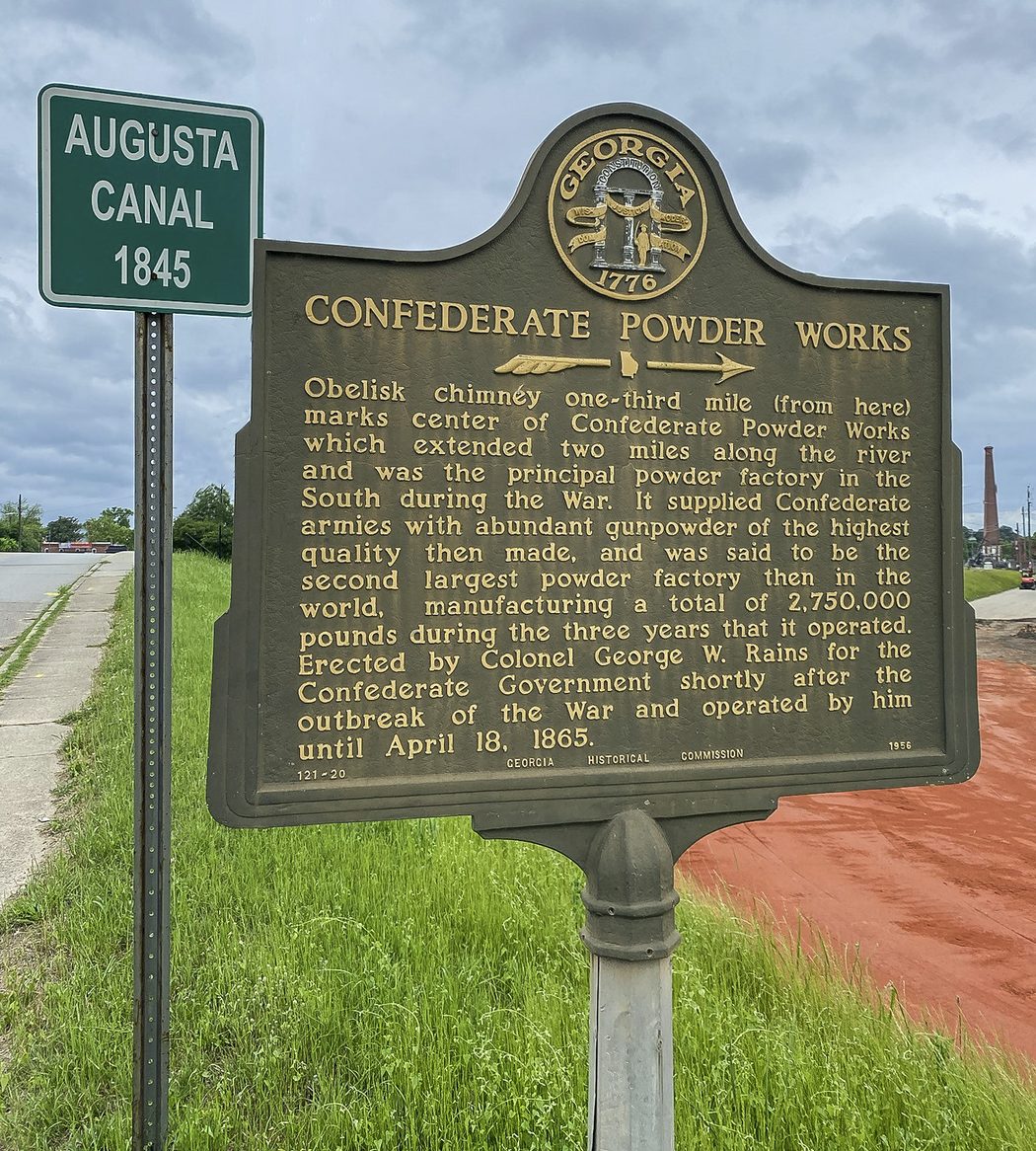
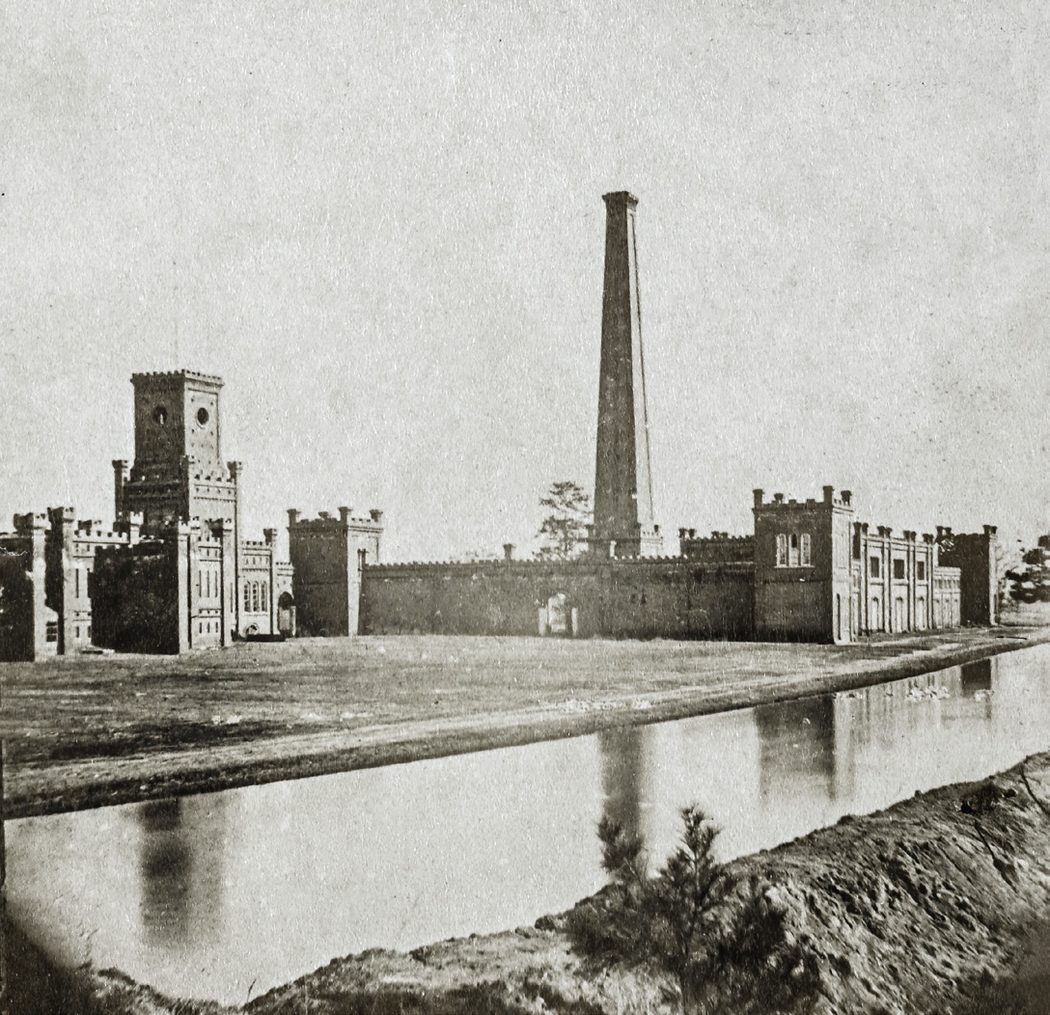
Augusta, Ga. Rains was the man picked in 1861 to remedy the “appalling” situation. Augusta was the location of the Confederate Powder Works, a state-of-the art manufactory created mainly by this man’s genius.
The men in the audience knew their guest speaker had succeeded in his challenging mission. On that Memorial Day, 16 years after the war, Rains told them how he did it. I will attempt to do the same for CWN readers.
Rains set out from Richmond on July 10, 1861, to identify a site for the facility. He soon chose Augusta, as he stated, “for its central location; for its canal for transportation and water-power; for its railroad facilities; and for its security from attack.” He also surveyed the few privately owned powder mills that existed. These small facilities could not begin to meet the army’s needs. They did, however, serve as a stop-gap measure to meet immediate demands, while one also served, Rains said, as “a school of instruction for a few selected men, so as to have them ready for service at the Augusta Powder Works when they should commence operation.” Rains also labored to secure supplies of the raw materials needed to make gunpowder and planned the new facility in which these materials would be processed. As he traveled by rail he used the time to sketch out rough drawings for the complex of buildings to be erected along the Augusta Canal.
Rains was aided in his plans by a pamphlet describing the operations of the Waltham Abbey gunpowder works in England. That the pamphlet lacked diagrams was a hindrance, but Rains was able to recruit a man who had worked at Waltham Abbey, a bit of luck which compensated somewhat for the booklet’s lack of pictures. These important finds made the situation somewhat less appalling, but the