April 2024
alongside the quays; the stores are taken thence down the river, and shipped on board the transports now off Deptford and Woolwich… Each soldier destined for Canada, on stepping on board of his transport, finds ready for him two pairs of woolen drawers, one jersey, two merino under-vests, two pair of worsted stockings, one comforter, one chamois leather waistcoat, one sealskin
cap with ear-mufflers, one
pair of sealskin mittens, one pair of Canadian boots, and one sheepskin coat.”
U.S. Secretary of State William Seward threatened to “wrap the world in flames” should the British or French intercede on behalf of the Confederacy. The war of words went back and forth on both sides of the Atlantic with enough correspondence to fill several volumes. Initially, the British were very concerned about US intentions toward Canada, where their position was almost indefensible due to the small number of troops for the size of the territory. At the time Alaska was Russian territory, so the English colony in Canada was essentially surrounded on all sides by Russia on the Northwest and the United States to the South. The most likely recourse for England in the event of an attack on Canada would have been a naval response from Bermuda against U.S. harbors, and England had already begun the build-up of warships in Bermuda.
For their part, the Union was concerned about British government support for the Confederacy, which grew more and more unlikely as the war progressed. However, even as late as October 1862, the British Prime Minister was planning to demand an end to the war in America diplomatically followed by mediation, or else “…take more resolute action if the Northerners remain determined to fight.” This rhetoric may or may not have meant a strictly military response, and there is considerable debate on the topic, but an alliance with Russia from a U.S. perspective ensured the governments in France and England would remain on the sidelines. No more and no less.
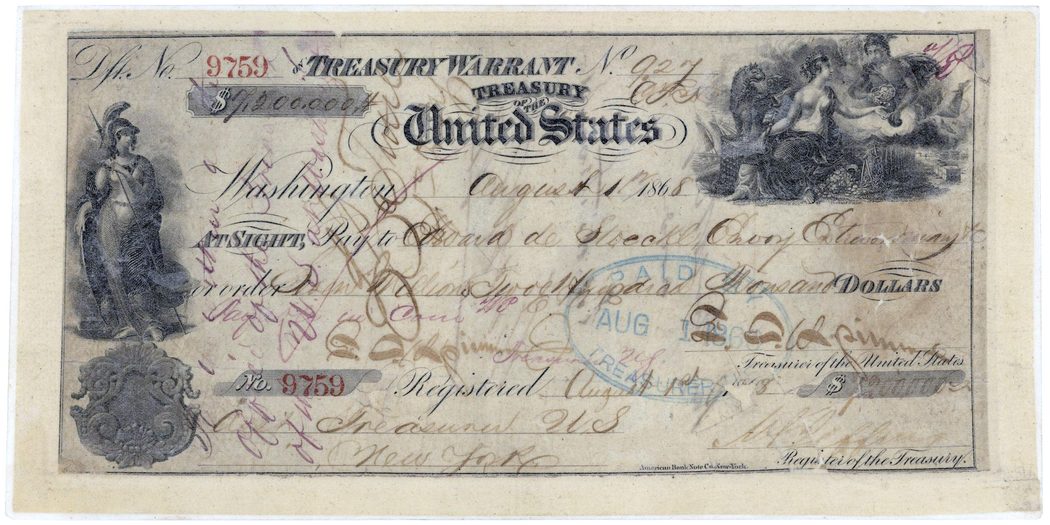
Therefore, should the subject come up during some late-night conversation around the campfire or while imbibing mint juleps on the front porch, the amicable relationship between the U.S. and the Russians did not cease with the Civil War. When the Tsar found his treasury short on cash and decided to sell something that seemed useless, the U.S. Government purchased Alaska from Russia for around 2¢ per acre in 1867, a transaction known at the time as “Seward’s
Folly.” The Russians had been trying to sell Alaska since the 1850s, but there were no buyers. Aside from the cash intake, the purchase of Alaska looked like a good deal for the Russians as it kept the English from exerting any claims towards territory contiguous with the Yukon region in northwest British Columbia. At the time, this was considered much too generous in favor of the Russians as there were no other buyers in the bidding; it turned out favorably once gold was discovered there thirty years later.
Craig L. Barry was born in Charlottesville, Va. He holds his BA and Masters degrees from UNC (Charlotte). Craig served The Watchdog Civil War Quarterly as Associate Editor and Editor from 2003–2017. The Watchdog published books and columns on 19th-century material. He is the author of several books including The Civil War Musket: A Handbook for Historical Accuracy (2006, 2011), The Unfinished Fight: Essays on Confederate Material Culture Vol. I and II (2012, 2013). He has also published four books in the Suppliers to the Confederacy series on English Arms & Accoutrements, Quartermaster stores and other European imports.